
Marketing
SEO Tips for Beginners: Rank Higher in 2026
By Ecosys World Editorial Team · Published on 2026-04-20
Start your SEO journey with foundational strategies that really work.
What SEO Actually Is
Search Engine Optimisation (SEO) is the practice of improving your website so that search engines rank it higher in results pages for relevant queries. When someone searches for 'free BMI calculator' and your site appears on page one, that's SEO working. Unlike paid advertising, organic search rankings are earned rather than bought — a well-optimised page can drive free traffic for years after it's published.
Keywords: The Foundation of SEO
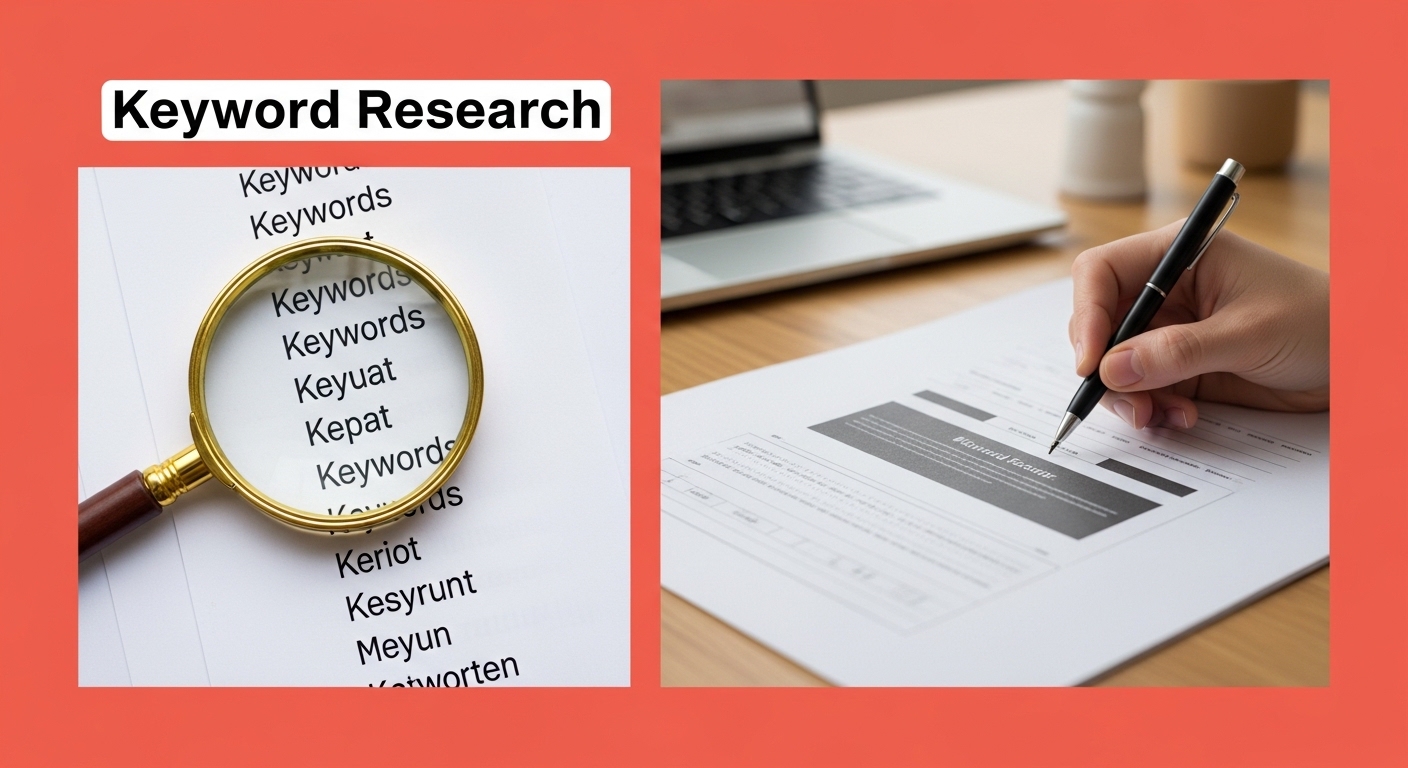
Every page should target a specific search query. Keyword research helps you find terms that real people search for, understand the competition level, and identify where there's an opportunity to rank. Tools like Google Keyword Planner, Ubersuggest, and Google Search Console show you search volumes and competition levels. Target long-tail keywords (specific phrases like 'mortgage calculator for first-time buyers') rather than broad single-word terms — they have lower competition and higher conversion intent.
On-Page SEO Essentials
Each page should have a unique title tag (under 60 characters) containing the target keyword near the beginning. The meta description (150–160 characters) should be compelling and include the keyword. Use heading tags (H1, H2, H3) hierarchically — one H1 per page, containing the main keyword. Include the keyword naturally in the first paragraph and throughout the body text, but never at the expense of readability. Google's algorithms have become sophisticated enough to detect keyword stuffing and penalise it.
Technical SEO Basics
A fast-loading website is a fundamental ranking factor. Google's Core Web Vitals measure loading speed, interactivity, and visual stability. Ensure your site is mobile-friendly — over 60% of searches happen on mobile devices, and Google uses mobile-first indexing. Submit a sitemap to Google Search Console and verify your robots.txt isn't accidentally blocking important pages. HTTPS (secure connection) is now a baseline requirement, not an optional extra.
Content Is Still King
Unique, genuinely useful content that answers real questions is the most durable SEO strategy. Pages that comprehensively address a topic — covering multiple related questions and providing real value — consistently outperform thin pages stuffed with keywords. Publishing regular content on topics relevant to your audience builds topical authority over time, which is increasingly how Google evaluates trustworthiness. Focus on being the best answer to a specific question, and rankings tend to follow.