Education
Unit Conversion Tips for Students and Professionals
By Ecosys World Editorial Team · Published on 2026-04-10
Master unit conversions with practical tips and common conversion tables.
Why Unit Conversions Still Trip People Up
Despite living in a largely metric world, unit confusion causes real-world problems every year. The Mars Climate Orbiter was lost in 1999 due to a metric/imperial confusion costing $327 million. Medical dosage errors involving unit conversions are a documented patient safety risk. For students and professionals, getting conversions right is not just about accuracy — it's about avoiding expensive or dangerous mistakes.
The Metric System: Why Most of the World Uses It
The metric system (SI) is based on powers of ten, making conversions straightforward: there are 1,000 metres in a kilometre, 1,000 grams in a kilogram, 1,000 millilitres in a litre. The United States remains one of the few countries that still uses the imperial system for everyday measurements, alongside Myanmar and Liberia. Understanding both systems is increasingly important in a globalised world where products, recipes, and specifications cross borders daily.
Common Conversions to Memorise
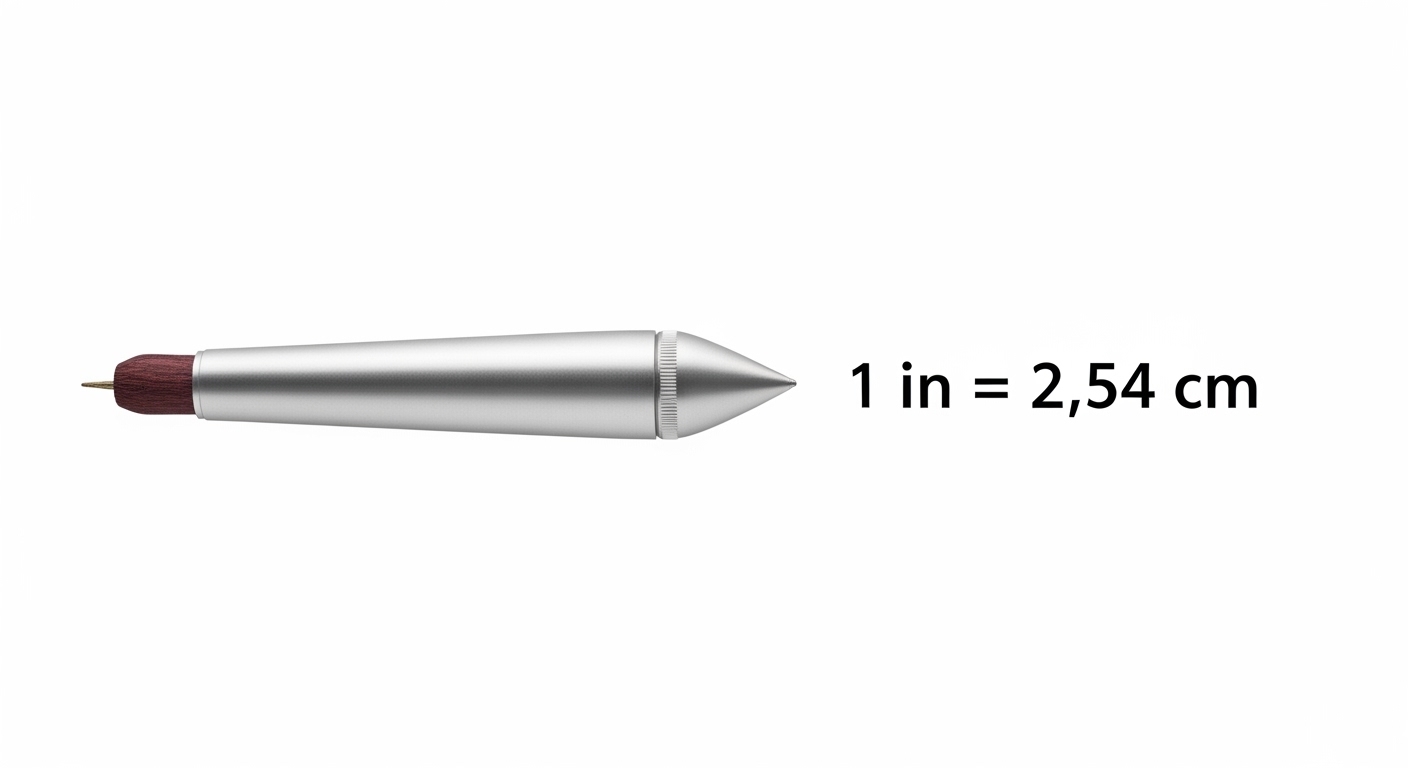
A few key conversions cover the majority of everyday needs: 1 inch = 2.54 cm; 1 mile = 1.609 km; 1 kg = 2.205 lbs; 1 litre = 0.264 gallons (US); 0°C = 32°F; 100°C = 212°F. For temperature, the formula is F = (C × 9/5) + 32. These rough benchmarks let you quickly sense-check a conversion result without a calculator and catch obvious errors before they matter.
Cooking Across Unit Systems
Cooking is one of the most common contexts where unit confusion causes real problems. American recipes use cups and ounces; European recipes use grams and millilitres. A cup of flour and a cup of sugar weigh very different amounts — cups measure volume, not weight. For baking, where precision matters, always convert to grams. Our unit converter handles both volume and weight conversions to make international recipe adaptation straightforward.
Academic and Professional Applications
Science and engineering consistently use SI units, but historical papers and some industries still reference legacy units. Understanding how to convert between newtons and pounds-force, joules and BTUs, or pascals and PSI is essential for engineers working with international standards or legacy equipment. Students encountering unfamiliar units in textbooks will find a reliable unit converter indispensable throughout their studies.