Holidays
Must-See Cultural Festivals in Asia
By Ecosys World Editorial Team · Published on 2026-05-25
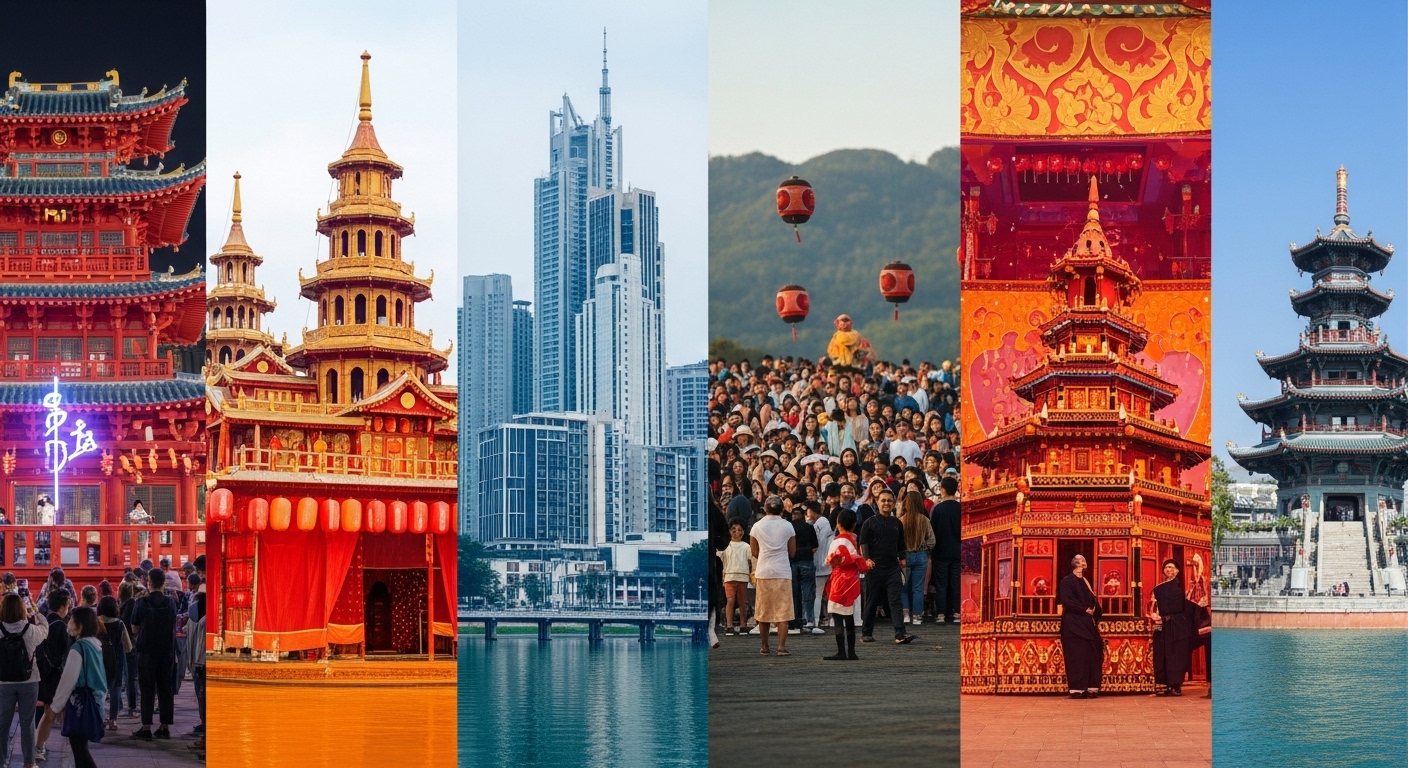
From Diwali to Chinese New Year, explore Asia's most vibrant celebrations.
Diwali: The Festival of Lights
Celebrated by over a billion Hindus, Sikhs, Jains, and Buddhists across India and the Indian diaspora, Diwali is one of the world's most visually spectacular holidays. Over five days in October or November (the exact date varies with the Hindu lunar calendar), homes and streets are decorated with oil lamps (diyas) and colourful rangoli patterns, gifts are exchanged, and fireworks light up the sky. Each religious community observes Diwali with slightly different traditions and significance, but the shared theme is the triumph of light over darkness.
Lunar New Year Across Asia
Lunar New Year is celebrated by over 1.5 billion people across China, Vietnam, Korea, and Chinese diaspora communities worldwide. In China, the Spring Festival involves the world's largest annual human migration as hundreds of millions travel home for family reunions. Vietnam's Tết is arguably the country's most important holiday. Korea's Seollal involves ancestral rites and family gatherings. Despite cultural differences, all three traditions share themes of family reunion, fresh starts, and elaborate food rituals.
Songkran: Thailand's Water Festival
Thailand's New Year celebration, Songkran, falls in mid-April and has evolved into one of the world's most exuberant festivals. What began as a gentle tradition of pouring scented water over elders' hands as a mark of respect has become a multi-day nationwide water fight. In cities like Chiang Mai and Bangkok, streets are lined with people armed with water guns and buckets. The water symbolises the washing away of bad luck and sins from the previous year — purification through joyful chaos.
Eid al-Fitr: Breaking the Fast
At the end of Ramadan — the month of dawn-to-dusk fasting observed by over 1.8 billion Muslims worldwide — Eid al-Fitr is celebrated with prayers, feasting, and the giving of gifts to children. In Southeast Asian countries like Indonesia and Malaysia (home to the world's largest Muslim populations), Eid (called Lebaran in Indonesia and Hari Raya in Malaysia) involves mass homecoming travel, open houses where families receive visitors, and elaborate traditional food spreads. It is both a deeply spiritual and intensely social occasion.
Cherry Blossom Season in Japan
While not a public holiday, Japan's cherry blossom (sakura) season is a cultural event of national significance. Every spring, the country tracks the 'sakura front' as blossoms sweep northward from Kyushu to Hokkaido. Hanami — flower viewing picnics under cherry trees — fills parks across the country for the brief 1–2 week peak bloom period. The transient beauty of the blossoms is deeply connected to Japanese aesthetic values around impermanence and appreciation of the present moment.