Health
Why BMI Matters: Understanding Body Mass Index
By Ecosys World Editorial Team · Published on 2026-02-10
Discover what BMI tells us about health and how to use it as one indicator among many.
What BMI Actually Measures
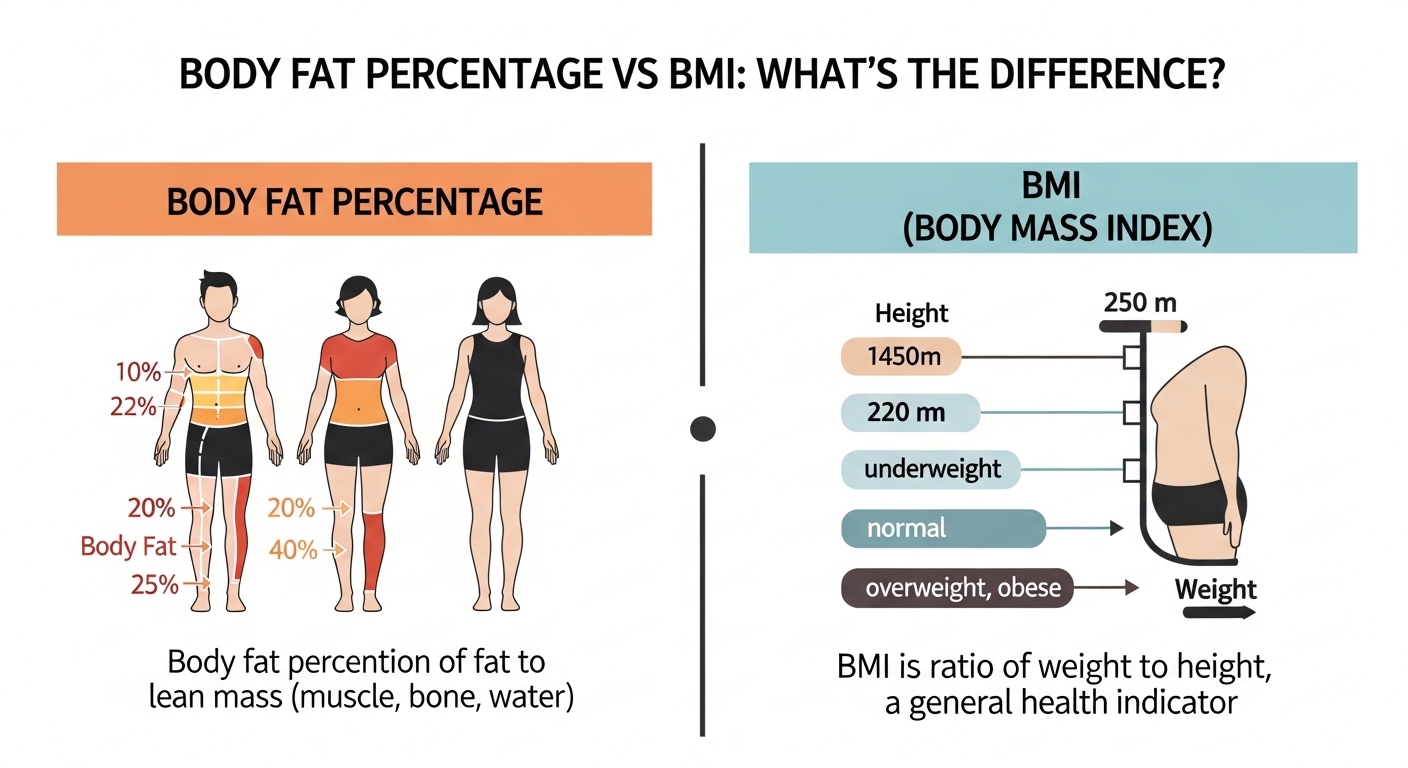
Body Mass Index (BMI) is a simple formula: weight in kilograms divided by height in metres squared. The result places you in one of four categories — underweight (below 18.5), normal weight (18.5–24.9), overweight (25–29.9), or obese (30 and above). Developed in the 1830s by Belgian statistician Adolphe Quetelet, it was originally a population-level statistical tool, not a clinical diagnostic measure for individuals.
What BMI Doesn't Tell You
BMI has well-documented limitations. It cannot distinguish between fat and muscle — a heavily muscled athlete can have the same BMI as someone with excess body fat. It also doesn't account for fat distribution: abdominal fat carries far higher cardiovascular risk than fat stored on the hips and thighs. Two people with identical BMIs can have dramatically different health profiles based on age, ethnicity, fitness level, and body composition.
Why It Still Matters
Despite its limitations, BMI remains a useful first-pass screening tool precisely because it's easy to calculate and requires no special equipment. Population-level research consistently shows that BMI correlates with diabetes, heart disease, and certain cancers at a statistical level. Doctors use it not as a definitive diagnosis but as a starting point for conversations about weight and health — a flag to investigate further, not a verdict.
Healthy BMI Ranges by Population
Standard BMI thresholds were developed using data from European populations and may not apply universally. Research suggests that Asian populations face elevated metabolic risk at lower BMI values — some health organisations recommend an 'overweight' threshold of 23 for Asian adults rather than 25. Conversely, some African and Pacific Islander populations have higher muscle mass averages that can inflate BMI readings without corresponding health risk.
Using BMI Alongside Other Metrics
Health professionals increasingly recommend using BMI alongside waist circumference, waist-to-hip ratio, and body fat percentage for a more complete picture. A waist circumference above 94 cm for men or 80 cm for women signals increased metabolic risk regardless of BMI. Pairing our BMI calculator with the body fat calculator on this site gives you a more rounded assessment of your health status.