Health
Healthy Eating Tips Backed by Science
By Ecosys World Editorial Team · Published on 2026-07-15
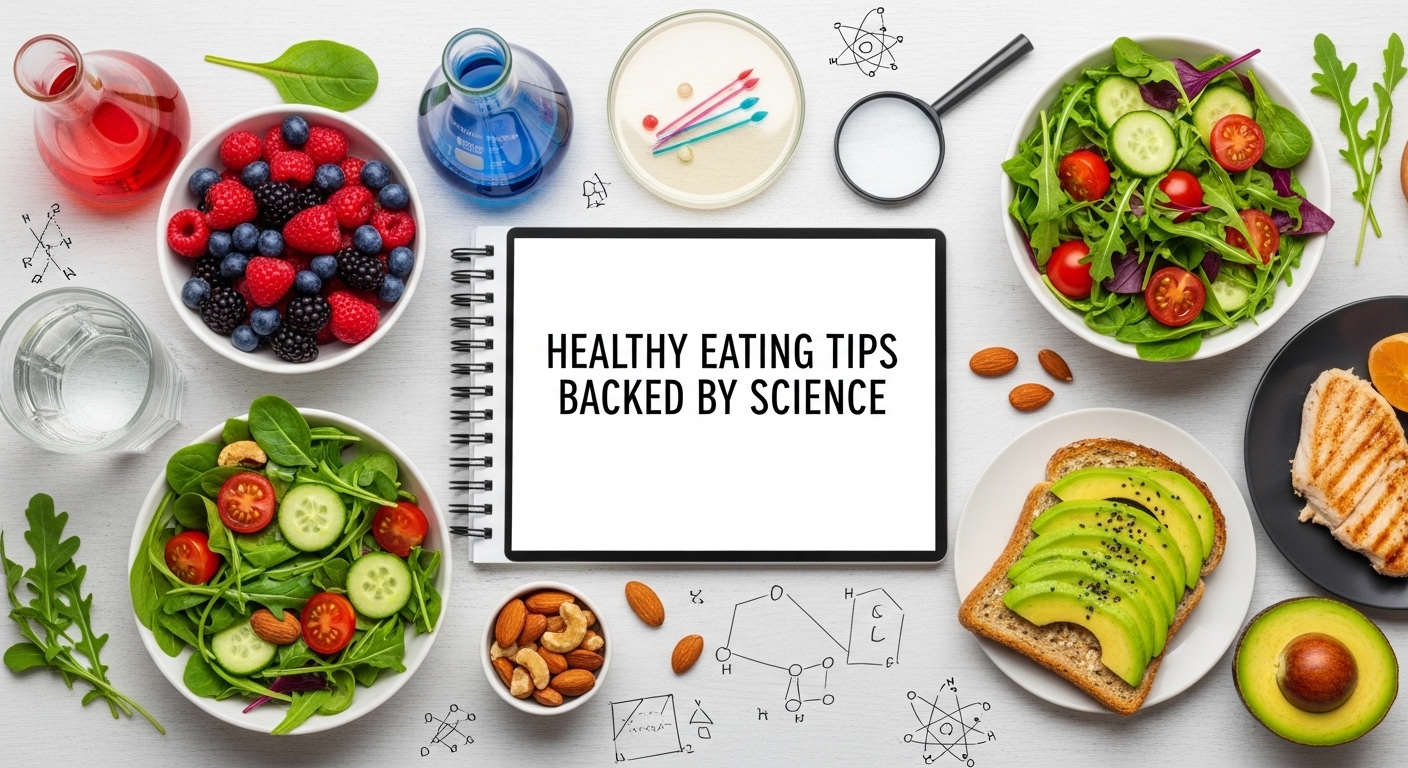
Evidence-based nutrition advice for a healthier lifestyle.
The Foundation: Whole Foods First
Virtually all reliable nutrition evidence points in the same direction: diets built around minimally processed whole foods — vegetables, fruits, legumes, whole grains, nuts, seeds, and lean proteins — are associated with better health outcomes than diets dominated by ultra-processed foods. Ultra-processed foods (ready meals, packaged snacks, sugary drinks) are engineered for overconsumption, typically high in refined carbohydrates, unhealthy fats, and sodium while low in fibre, vitamins, and minerals.
Protein: The Satiety Supernutrient
Of the three macronutrients (protein, carbohydrates, fat), protein has the strongest effect on satiety — the feeling of fullness after eating. Research consistently shows that higher-protein diets reduce hunger, decrease total calorie intake, and preserve muscle mass during weight loss. Current evidence suggests 1.6–2.2 g of protein per kilogram of bodyweight is optimal for active adults. Sources include chicken, fish, eggs, dairy, legumes, tofu, and — for those who tolerate it — whey protein.
The Role of Fibre
Dietary fibre — found in vegetables, fruits, legumes, and whole grains — feeds beneficial gut bacteria, slows digestion to regulate blood sugar, reduces cholesterol, and increases satiety. Most adults consume roughly half the recommended 25–38 g of fibre per day. Increasing fibre intake gradually (sudden large increases cause digestive discomfort) by adding vegetables, switching to whole grain alternatives, and including legumes regularly is one of the most evidence-supported dietary improvements for long-term health.
Practical Meal Planning
Evidence-based nutrition advice is only valuable if it's implementable. Meal prep — preparing components of meals in advance at the weekend — dramatically reduces the likelihood of resorting to ultra-processed convenience food on busy weeknights. A simple framework: build meals around a protein source, a vegetable (half the plate), a whole grain or starchy vegetable, and a small amount of healthy fat. This structure provides balanced nutrition without requiring calorie counting at every meal.
Hydration and Its Underestimated Role
Mild dehydration — as little as 1–2% of body weight in lost fluids — measurably impairs cognitive performance, mood, and physical performance. Thirst is not a reliable early indicator of dehydration; by the time you feel thirsty, you're already mildly dehydrated. A practical target is 2–3 litres of water daily for adults, more in hot weather or during exercise. Foods with high water content (cucumber, watermelon, soup) also contribute meaningfully to hydration status.