Health
How to Track Your BMI Over Time
By Ecosys World Editorial Team · Published on 2026-03-15
Tips and strategies for monitoring your BMI and maintaining a healthy weight.
Why Track BMI Over Time?
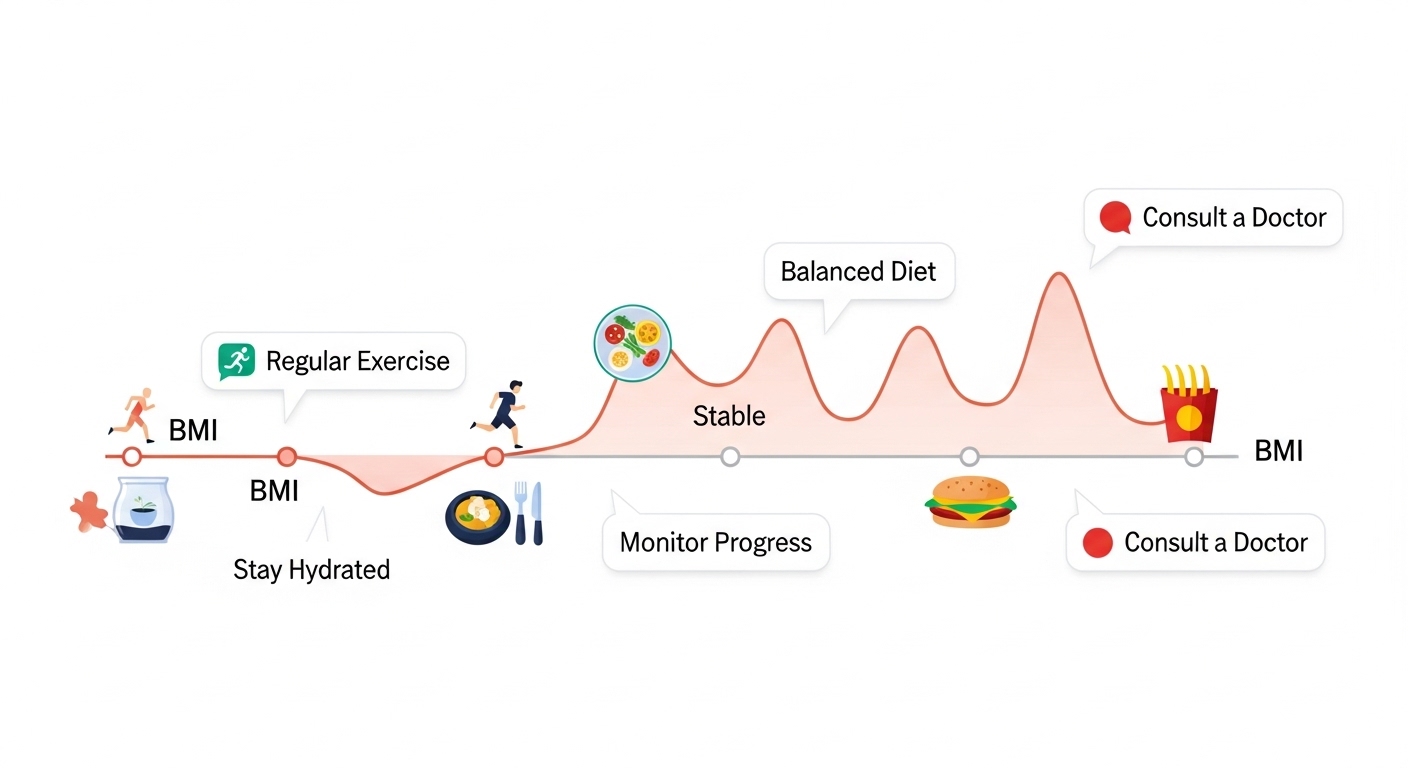
A single BMI reading is a snapshot; a series of readings over months and years tells a story. Tracking BMI over time reveals trends — gradual creep during stressful periods, seasonal fluctuations, or the impact of lifestyle changes like starting an exercise routine or changing your diet. The direction of travel often matters more than any individual number, and trends only become visible through consistent measurement.
How Often to Measure
For most people, checking BMI monthly is sufficient — frequent enough to catch trends but not so frequent that normal day-to-day weight fluctuations create unnecessary anxiety. Weight can vary by 1–3 kg across a single day due to food, water, and exercise. For this reason, weigh yourself at the same time of day under the same conditions (ideally morning, after using the bathroom, before eating) to ensure readings are comparable.
Healthy Goals and Realistic Timelines
The NHS and major health organisations recommend a weight loss rate of 0.5–1 kg per week for sustainable results. Faster weight loss typically involves muscle loss alongside fat, which undermines long-term health. If your goal is to move from overweight to healthy BMI range, a timeline of 6–18 months is realistic and safe. Setting milestone goals — such as dropping one BMI category — is more motivating than fixating on a single end target.
BMI and Age
The relationship between BMI and health risk changes with age. In older adults (65+), research suggests that a slightly higher BMI (22–27) is associated with better health outcomes and longevity compared to younger adults — possibly due to the muscle mass protection it implies. For children and teenagers, BMI is assessed using age- and sex-specific percentiles rather than the adult thresholds, as body composition changes significantly during growth.
Complementary Metrics to Track Alongside BMI
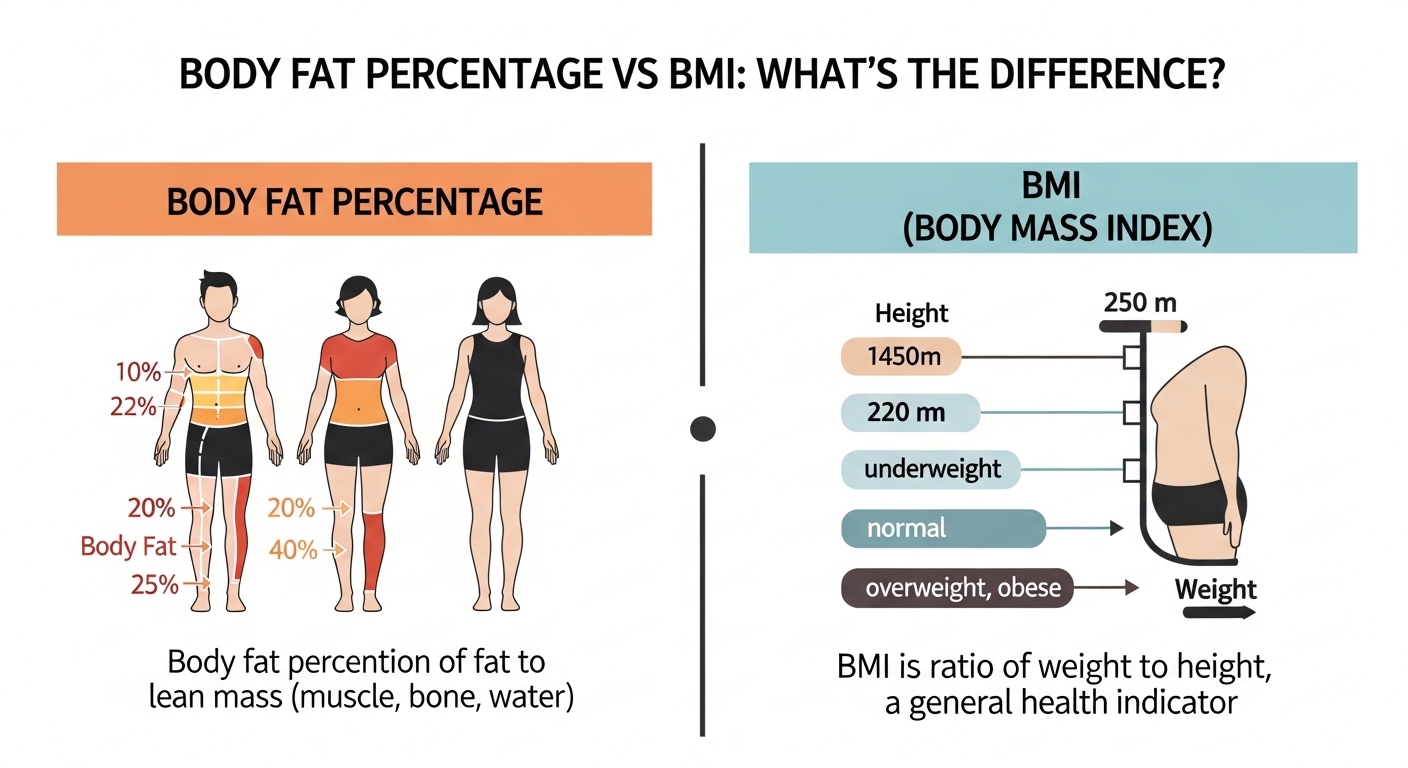
Track waist circumference alongside BMI for a clearer picture of metabolic health risk. A waist measurement above 80 cm for women or 94 cm for men signals elevated risk for type 2 diabetes and heart disease, regardless of BMI. Resting heart rate and blood pressure are also useful long-term health indicators. Together, these metrics paint a far more complete picture than BMI alone.